UAVs or drones are arguably one of the most impactful inventions of this century. The applications of these devices are extremely varied, and their success has been tremendous. They have literally gone viral not only among small and big businesses, but also among governments and individual consumers. Indeed, none of the drone functions can be considered mere futuristic gimmicks, as they are all imperative to the smooth operation of the present system and also capable of triggering a wave of creative disruption in various sectors. In such a case, the future is actually here, and we are entering an era of new possibilities and challenges for different categories of stakeholders shaped by the further proliferation of UAVs in even more areas.
Behind every powerful takeoff lies a problem that refuses to fade away. The characteristic buzzing of drones, though subtle at first, becomes disruptive in quiet neighborhoods, wildlife zones, and densely populated cities. Studies show that most consumer drones produce between 7 and 90 decibels of noise, equivalent to a vacuum cleaner or a motorcycle. In peaceful environments, this level of sound can be perceived as invasive and even alarming.
“Drones are flying everywhere. They can be amazing, but they are also annoying. The contest for the most silent drones is not only about making the noise disappear but also about being able to use the drone to its full capacity.”
People want drones that are as quiet as possible because drones will be able to be used in new ways that require that they be unnoticeable, that privacy is kept, and that the environment is not disturbed.”
What is Drone Noise: How Loud Are They?
The hum of a drone may seem harmless at first, but when multiplied across busy skies or echoing through quiet environments, it quickly becomes a noticeable disturbance. The level of noise a drone produces largely depends on its size, propeller design, motor type, and flight speed, but even the most compact consumer models are far from silent.
Consumer drones, such as those used for photography, hobby flying, or small deliveries, generate a noise of between 70 and 80 decibels when hovering a few meters away. For example, 70 dB is approximately as loud as a household vacuum cleaner or city traffic. Whereas 80 dB is close to the sound of a garbage disposal or a passing motorcycle.
The industrial drones, which are larger and have more powerful motors, can produce a noise level exceeding 90 dB, comparable to that of a heavy truck or a lawn mower. It might not be too disturbing during the day in urban areas. However, in silent places such as residential zones, rural areas, or nature reserves, the same noise becomes very disturbing.
Because ambient background noise at night averages only around 40–45 dB. A drone buzzing overhead can easily double or triple that sound level, shattering the peace of natural surroundings or suburban neighborhoods. This is why communities often raise concerns about drone operations, and why engineers are racing to make UAVs not just smarter and safer but quieter.
Why Are Old Drones So Loud?
Drone was the unmistakable buzzing sound that is not just part of its charm; It is a byproduct of physics. Every time a drone takes off, a complex symphony of air, speed, and vibration begins. The main culprit is the propellers, which spin at thousands of revolutions per minute to generate lift and stability. The way those blades move through the air is what determines the sounds that come from drones.
1. Aerodynamic Noise: The Sound of Speed
Rapid air pressure fluctuations occur when propellers cut through the air. These pressure waves are sounds. Thus, direct sound must not be underestimated. The blades spin, the stronger the airflow, and the louder the noise. Generally, small drones sound higher because their propellers spin faster to maintain lift and keep the drone airborne.
2. Blade Vortex Interaction: The Buzz Behind the Buzz
Every blade leaves behind a swirling air pattern known as a vortex. When the next blade passes through this disturbed air, it collides with that vortex, creating short bursts of pressure changes. This repeated interaction forms the high-pitched buzz we recognize instantly.
3. Tip Turbulence: Chaos at the Edge
The tips of drone blades move faster than any other part, stirring up chaotic air movement. This turbulence generates a broad, rough layer of noise that blends with the drone’s hum, especially when it hovers or changes direction.
4. Motor Hum and Frame Vibration
While propellers dominate the sound profile, the motors add a consistent humming tone. At the same time, vibrations from both motors and propellers travel through the drone’s body, turning its lightweight frame into a mini amplifier that projects noise even farther.
In simple terms, drone noise is a mix of aerodynamic energy and mechanical vibration. The harder a drone works to stay stable or carry weight, the louder it becomes. That’s why reducing noise isn’t just a matter of volume; it’s an engineering challenge that requires smarter blade design, smoother airflow, and better vibration control.
The Science Behind Silent Drones: What Makes a Drone “Silent”?
A “silent drone” doesn’t mean one that makes no sound at all. In reality, it refers to a drone that produces minimal noise, often so subtle that it blends seamlessly with surrounding ambient sounds. The goal is not complete silence, but acoustic harmony, making the drone’s presence barely noticeable to the human ear.
Today, drone technology primarily focuses on reducing the decibel levels emitted by drones through the use of smart designs, advanced materials, and improved aerodynamics. The goal is to decrease the noise level to the point where it becomes indistinguishable from natural background noises, such as wind or distant traffic. At that point, the drone is essentially “silent” from a practical standpoint.
Arguably one of the most interesting aspects of biomimicry that has provided quiet drone technology with new directions is the study of how nature achieves quiet flight. For example, owls are among the quietest birds when flying in the air while hunting. Engineers have studied the unique feather structure of owls, as their feathers have serrated edges that cut through the airflow and reduce turbulence. Engineers have taken this idea to the propeller industry, where they have implemented serrated or curved edges that soften the blade and air contact, thus making the noise much lower.
Along with these inventions, the use of low-RPM (rotations per minute) motors, vibration-dampening frames, and sound-absorbing materials has contributed to the change of drones from noisy machines to discreet aerial tools. The science of silence is not just about muting sound—it’s about mastering airflow, vibration, and material behavior to create a smoother, quieter, and more efficient flight experience.
Silent Drone Technologies: Innovations Redefining UAVs
Achieving a truly quiet drone isn’t about a single breakthrough—it’s the result of several advanced technologies working together. From redesigned propellers to smarter motors and new materials, engineers are reimagining every element of drone design to reduce noise without compromising performance.
Let’s explore the innovations leading this silent revolution:
1. Propeller Optimization
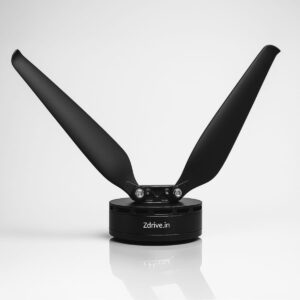
Propellers are the primary source of drone noise, so most noise-reduction efforts begin here. Modern propeller designs use advanced aerodynamics, larger diameters, and optimized blade angles to minimize the amount of turbulent air they generate.
- Multi-blade systems distribute lift across more blades, allowing drones to operate at lower speeds while maintaining the same thrust, which significantly reduces noise.
- Serrated or curved blade edges, inspired by the silent flight of owls, break up air vortices and soften airflow, leading to smoother and quieter rotation.
- Low-RPM configurations are becoming more common, as slower-spinning blades naturally produce less aerodynamic noise.
2. Motor and Drivetrain Improvements
The motor is the heartbeat of a drone, and its design directly affects the overall sound profile. Modern drones often utilize brushless motors, which operate more efficiently and quietly than their older counterparts.
- Sound isolation systems separate the motor from the frame using flexible mounts or acoustic dampers, preventing vibrations from spreading through the body.
- Precision engineering in bearings and rotors ensures smoother operation and eliminates unnecessary mechanical noise.
- Smart motor control algorithms dynamically adjust power output, reducing strain and minimizing audible fluctuations during flight.
3. Airframe Design and Materials
A drone’s structure can act like a sound amplifier if not properly engineered. To counter this, manufacturers are using lightweight composites and acoustic metamaterials—engineered materials designed to absorb or redirect sound waves.
- Streamlined airframes reduce drag and turbulence, allowing drones to cut through the air more quietly.
- Vibration-dampening materials placed within the body absorb micro-vibrations generated by propellers and motors, preventing resonance.
- Some high-end UAVs also integrate internal sound insulation layers, which help contain and diffuse mechanical noise before it escapes the frame.
4. Alternative Propulsion Systems
While traditional propellers dominate the market, alternative propulsion methods are paving the way for next-generation silent drones.
- Ducted fans, which enclose propellers within a protective shroud, significantly reduce tip vortices and direct sound away from the ground.
- Electric Ducted Fans (EDFs), commonly used in advanced drone prototypes, offer jet-like performance with smoother and quieter airflow.
- Hybrid propulsion systems, combining electric and aerodynamic technologies, are also under research for ultra-efficient and near-silent flight.
Each of these advancements plays a crucial role in transforming drones from noisy machines into refined aerial systems capable of operating discreetly in urban, commercial, and environmental settings. The ongoing innovation in these technologies marks a turning point in how we design, use, and experience drones.
Why We Need Silent Drones in Future
As drones become more integrated into our daily lives and industries, the demand for quieter operation is no longer optional. It is essential. The ability to fly without disturbing people, animals, or the environment defines the next generation of UAV technology. Silent drones open the door to new possibilities where noise once stood as a limitation.
Let’s look at where silence truly makes a difference:
1. Urban Operations
In crowded cities and residential areas, noise pollution is a growing concern. Traditional drones can easily disrupt neighborhoods, trigger complaints, and raise privacy concerns. Silent drones enable smoother urban operations such as last-mile delivery and infrastructure inspection without causing unwanted attention or disturbance. They help build community trust and ensure drone integration happens responsibly and quietly.
2. Search and Rescue (SAR)
During critical missions, silence can be a lifesaver. In rescue operations, a loud drone can confuse or alarm victims, especially in disaster zones or remote locations. A quieter drone enables teams to communicate clearly, coordinate effectively, and detect faint sounds, such as voices or movement. Moreover, silent UAVs can approach wildlife or sensitive environments without disturbing them, making them ideal for both rescue and reconnaissance tasks.
3. Defense and Security
In defense, law enforcement, and surveillance operations, stealth is a powerful asset. Silent drones offer a significant tactical advantage by enabling discreet observation and data collection without revealing their presence. Whether it is border monitoring, reconnaissance, or public safety management, low-noise UAVs improve both operational effectiveness and safety by staying undetected.
4. Filmmaking and Media Production
For cinematographers and media professionals, every decibel counts. A traditional drone’s buzz can ruin audio recordings and limit creative freedom on set. Silent drones allow filmmakers to capture high-quality aerial shots and ambient sound simultaneously without interference. This quiet technology enhances not just the footage but the entire creative process by helping storytellers work without technical barriers.
5. Environmental and Wildlife Research
Wildlife researchers and environmentalists depend on drones for monitoring animal behavior, migration patterns, and habitat conditions. However, the noise from standard drones can disturb animals and alter their natural responses. Silent drones enable observation from a distance, allowing scientists to collect authentic data without disturbing the environment. They also minimize environmental disruption, supporting conservation efforts in the most natural way possible.
In every field, from cities to forests, from studios to security zones, silence amplifies efficiency, safety, and respect. Silent drones are not just quieter machines; they represent a smarter and more responsible future for aerial technology.
Specialized Silent Drones: Emerging Categories
Silent drone technology is evolving rapidly, and with it, specialized models are emerging to serve different industries and missions. These drones are designed not only to minimize noise but also to perform specific tasks with precision, safety, and reliability. Each category brings unique advantages tailored to its environment and purpose.
1. Silent Drones with Cameras
These drones are a breakthrough for wildlife researchers, journalists, and filmmakers. Their quiet operation allows users to capture authentic, undisturbed moments without scaring away animals or drawing human attention. Whether filming rare wildlife behavior or documenting sensitive news events, silent camera drones ensure the presence of the observer does not alter the reality being captured. They offer high-resolution imaging, stable flight, and the ability to record natural sounds without interference from motor noise.
2. Night Vision Silent Drones
Night vision silent drones combine stealth with advanced thermal and infrared imaging technologies. They are vital tools for search and rescue teams, defense forces, and security agencies that operate in low-light or complete darkness. Their near-silent flight enables discreet observation and detection, while night vision cameras help locate missing persons, monitor restricted areas, and conduct surveillance without revealing the drone’s presence. In critical missions where visibility is low and silence is crucial, these drones prove invaluable.
3. Industrial and Delivery Silent Drones
In urban environments, where drone delivery and inspection are becoming increasingly common, noise reduction is key to community acceptance. Industrial and delivery silent drones are built with low-RPM motors, aerodynamic propellers, and vibration-controlled airframes to minimize sound during operation. These drones are used for inspecting infrastructure, transporting goods, and performing maintenance checks in populated areas without causing disturbance. Their ability to operate quietly ensures smoother integration of drone technology into city life.
The development of these specialized silent drones marks a major shift in UAV design. Each model reflects a growing commitment to sustainability, safety, and social responsibility. As these technologies continue to advance, the skies of the future will not only be smarter but also quieter.
Applications Across Industries
Silent drones are revolutionizing the way industries operate by combining performance, precision, and discretion. Their ability to perform tasks quietly allows them to be used in areas where traditional drones would cause disruption or draw unnecessary attention. From creative production to critical operations, silent UAVs are expanding possibilities across multiple sectors.
Here are some of the key industries benefiting from silent drone technology:
Aerial Cinematography and Content Creation
Filmmakers and content creators rely on silent drones to capture breathtaking aerial shots without the interference of motor noise. These drones enable clean audio recording on set and capture more natural ambient sound during production, resulting in a seamless storytelling experience.
Law Enforcement and Surveillance
Silent drones enable law enforcement agencies to conduct covert surveillance and monitoring without alerting suspects or disturbing the public. Their quiet operation enhances security efforts, crowd monitoring, and tactical missions where stealth is essential.
Wildlife Conservation
Researchers and conservationists utilize silent drones to observe wildlife in their natural habitats without causing distress or altering their behavior. This technology enables the collection of accurate data, monitoring of endangered species, and study of ecosystems while maintaining a respectful distance from the animals being observed.
Search and Rescue Missions
In emergencies, every second counts. Silent drones help rescue teams locate victims, assess damage, and deliver supplies without adding noise that could confuse communication or scare those in distress. Their quiet operation also helps pick up faint sounds, such as calls for help, that loud propellers might otherwise mask.
Urban Logistics and Delivery
For drone-based delivery systems, reducing noise is key to public acceptance. Silent drones ensure peaceful operation in residential and commercial zones, making them suitable for transporting goods, medical supplies, and essential items without creating noise pollution.
Infrastructure Inspection
Silent drones are ideal for inspecting bridges, power lines, pipelines, and communication towers where both precision and minimal disturbance are crucial. Their low noise output allows engineers to conduct inspections safely and efficiently, even in noise-sensitive environments.
Silent drones are no longer just experimental concepts; they are now a reality. They are becoming practical tools that combine innovation with responsibility, making modern operations quieter, smarter, and more sustainable across all industries.
Challenges of Silent Drones and UAVs
While the idea of silent drones sounds futuristic and exciting, achieving true near-silent flight still faces several challenges. The journey toward completely quiet UAVs requires striking a balance between innovation and practicality, as current solutions often come with trade-offs in performance, cost, and efficiency.
1. High Development Costs
Designing and manufacturing silent drones involves advanced engineering, specialized materials, and extensive testing. These innovations come at a premium, making silent drone technology more expensive than traditional models.
2. Efficiency Trade-Offs
Reducing noise often means compromising on speed, lift, or endurance. For instance, larger propellers or lower RPMs can decrease sound but also limit agility and flight time. Engineers must find the right balance between quiet operation and functional performance.
3. Technical Complexity
Incorporating sound-dampening systems, metamaterials, and optimized propulsion adds layers of complexity to drone design. Each component must work in harmony to minimize noise without compromising aerodynamics or stability, which in turn increases both design time and maintenance requirements.
Future Outlook of Silent Drones and UAVs
Despite the challenges, the future of silent drone technology looks incredibly promising. Researchers and manufacturers are making rapid progress toward creating UAVs that operate almost undetectably.
Advanced Battery Technology
Next-generation batteries with higher energy density will support more efficient propulsion systems, allowing drones to maintain quieter flight without sacrificing range or power.
AI-Driven Noise Control
Artificial intelligence is being integrated into flight systems to monitor and adjust motor speed, propeller pitch, and flight patterns in real time. This dynamic optimization can help minimize noise output in response to the surrounding environment.
Metamaterial-Based Airframes
Innovative acoustic metamaterials are being developed to absorb and redirect sound waves. These specialized materials can drastically reduce the drone’s acoustic footprint, paving the way for truly near-silent flight.
As research continues, silent drones will likely become the standard for commercial, industrial, and even recreational use. The convergence of AI, advanced materials, and smarter engineering will redefine how drones interact with their environment, making the skies of tomorrow quieter, cleaner, and far more efficient.
Conclusion
Silent drones represent the next evolution in UAV technology, a shift from pure performance to intelligent, responsible innovation. By minimizing noise, these advanced drones unlock possibilities once limited by sound pollution and social resistance. From rescuing lives and studying wildlife to filming cinematic scenes and delivering goods in crowded cities, silence is becoming the new benchmark for progress.
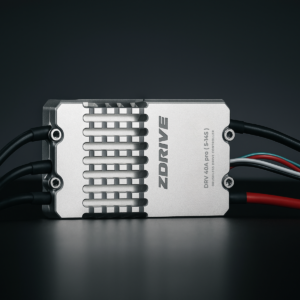
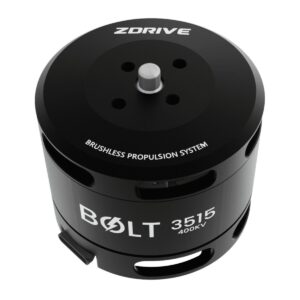
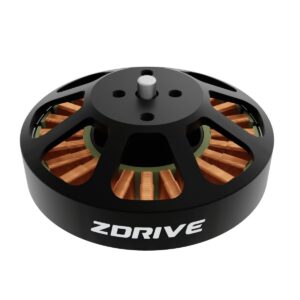
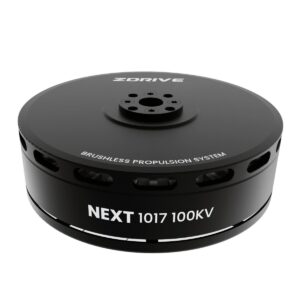
As engineers and researchers continue to refine materials, propulsion, and AI-driven control systems, the dream of truly near-silent flight is steadily becoming a reality. It’s time to embrace this quiet revolution. By investing in silent drone technology, we take a vital step toward sustainable, harmonious skies where innovation doesn’t just fly high but also flies quietly. Visit Zdrive Technologies for the high-tech drone motors and parts. Stay connected for more updates on UAV technology.
FAQs About Silent Drones
1. What exactly is a silent drone?
A silent drone is a UAV engineered to operate with significantly reduced noise compared to traditional drones. While it’s not entirely noiseless, its sound level is so low that it often blends into ambient background noise, making it nearly undetectable in most environments.
2. How do silent drones reduce noise?
Silent drones use a combination of aerodynamic propeller designs, low-RPM motors, vibration dampers, and noise-absorbing materials. Some advanced models also use biomimicry-inspired propellers and acoustic metamaterials to minimize turbulence and suppress sound waves.
3. Are silent drones completely noise-free?
No. Absolute silence in flight is currently impossible due to the physics of air movement and propulsion. However, modern silent drones can be 40–60% quieter than conventional models, making their presence far less noticeable.
4. Why are silent drones important for industries?
Silent drones enable professionals to work in noise-sensitive environments without disturbing others. They are essential for wildlife monitoring, law enforcement, filmmaking, urban delivery, and search and rescue operations where discretion and minimal noise are critical.
5. What are the biggest challenges in developing silent drones?
The primary challenges include high production costs, trade-offs in efficiency, and complex engineering requirements. Reducing noise often impacts flight time, payload capacity, or speed, so manufacturers must carefully balance performance with the need for quiet operation.
6. Will silent drones replace regular drones in the future?
As technology advances, silent drones are expected to become the industry standard, especially for professional and commercial use. Ongoing research in AI, advanced batteries, and metamaterials will make them more efficient and affordable over time.
7. Can silent drones be used for security and surveillance?
Yes. Silent drones are ideal for covert surveillance, defense missions, and night operations, where stealth is crucial. Their low acoustic footprint allows them to monitor areas discreetly without alerting subjects or drawing attention.